

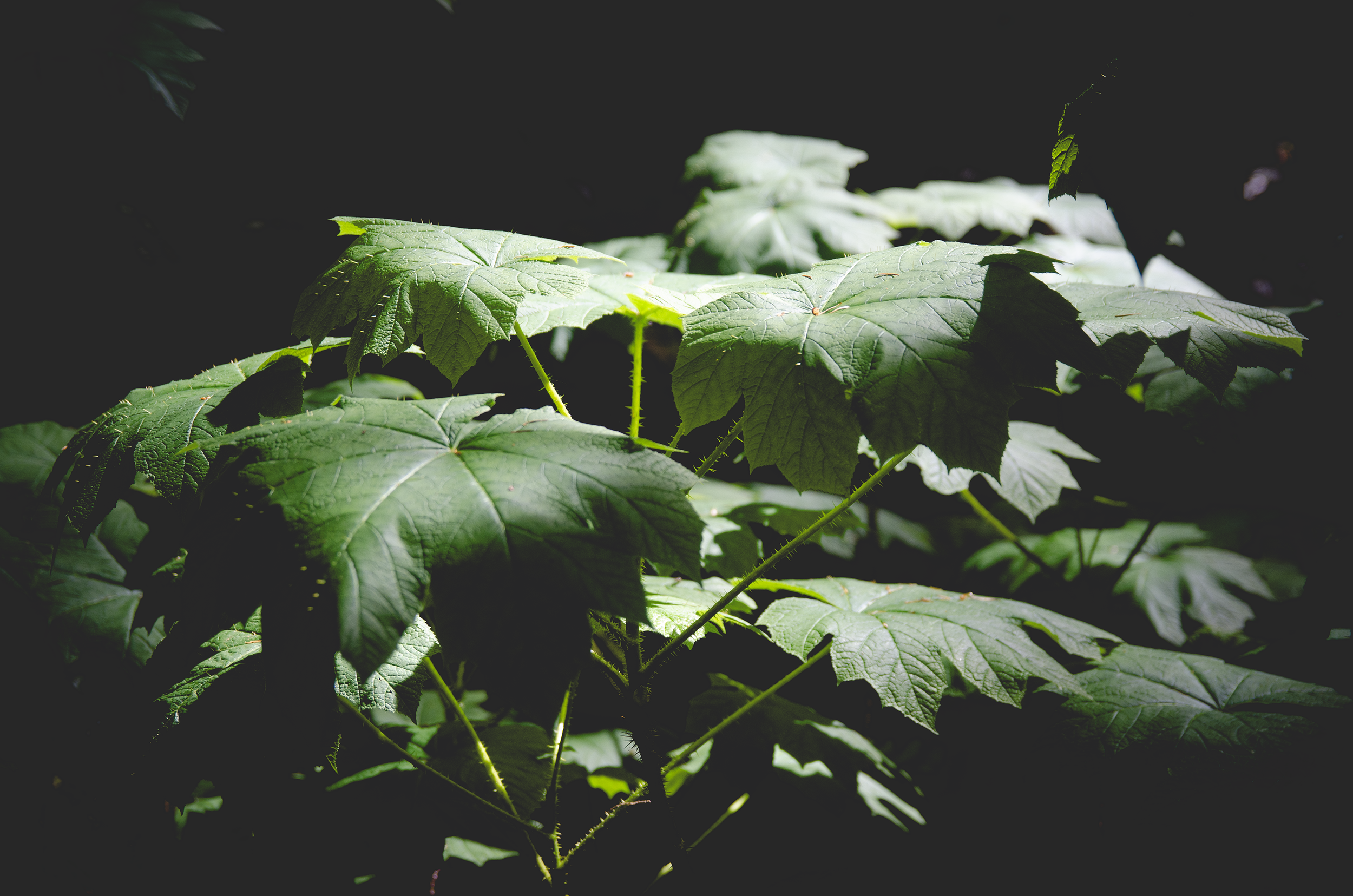
Devil’s Club
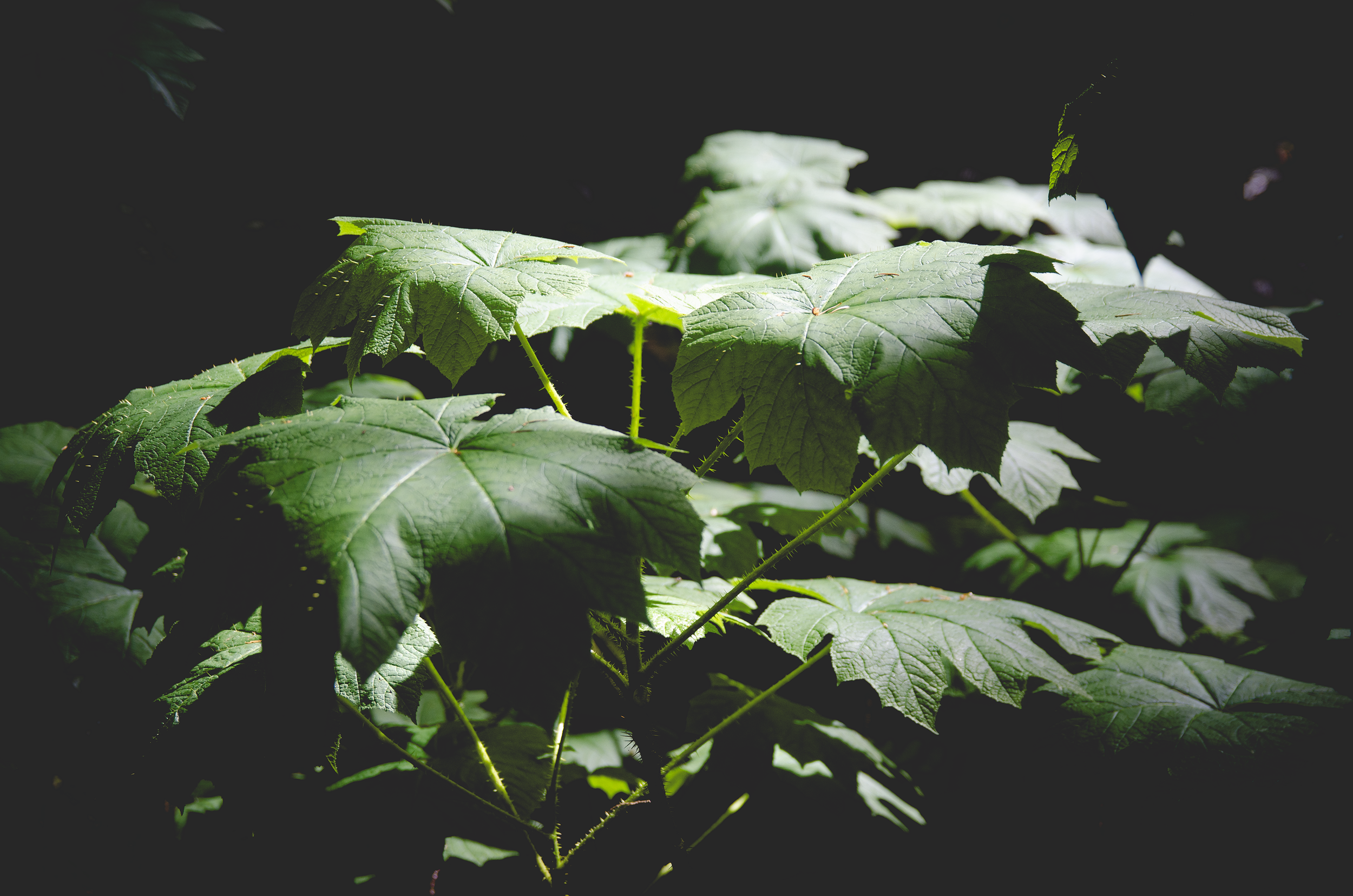
Oplopanax horridus
Devil’s club , Devil’s walking stick
Devil’s club is a native plant of the pacific northwest. Commonly found in the deep, old growth forest, preferring murky, damp areas. Its name comes from the spikes on the spine of the plant. If punctured by the spikes, you could develop painful pus-filled eruptions on the skin. However, creating a poultice or salve from the inner bark can alleviate this. The berries are loved by bears, but toxic to humans.
When we take a look at the signature of the plant it can represent boundaries. It grows in patches, plunging rods from the earth creating almost something of a claw. If walking in the woods, it’s likely you’d subconsciously walk the other direction than walk into a thicket. The border it creates forces you to rethink your direction, to walk around, not through.
Devil’s club has been seen as a strong protective plant, one that would deflect psychic attacks and protect from malignant spirits. Another way of viewing the name would be “to club devils,” which alludes towards its protective nature against baneful entities. Devil’s club has been an incredibly important plant for indigenous people in the pacific northwest, both for its spiritual and medicinal potency. It has been used for treating things like arthritis, tuberculosis, treating lice, and more modernly used in western herbalism to help people with diabetes manage blood sugar. In shamanism and witchcraft, it has been used to attain supernatural powers, deflect malicious attacks. Devil’s club was also placed above a door in order to ward off negative spirits.
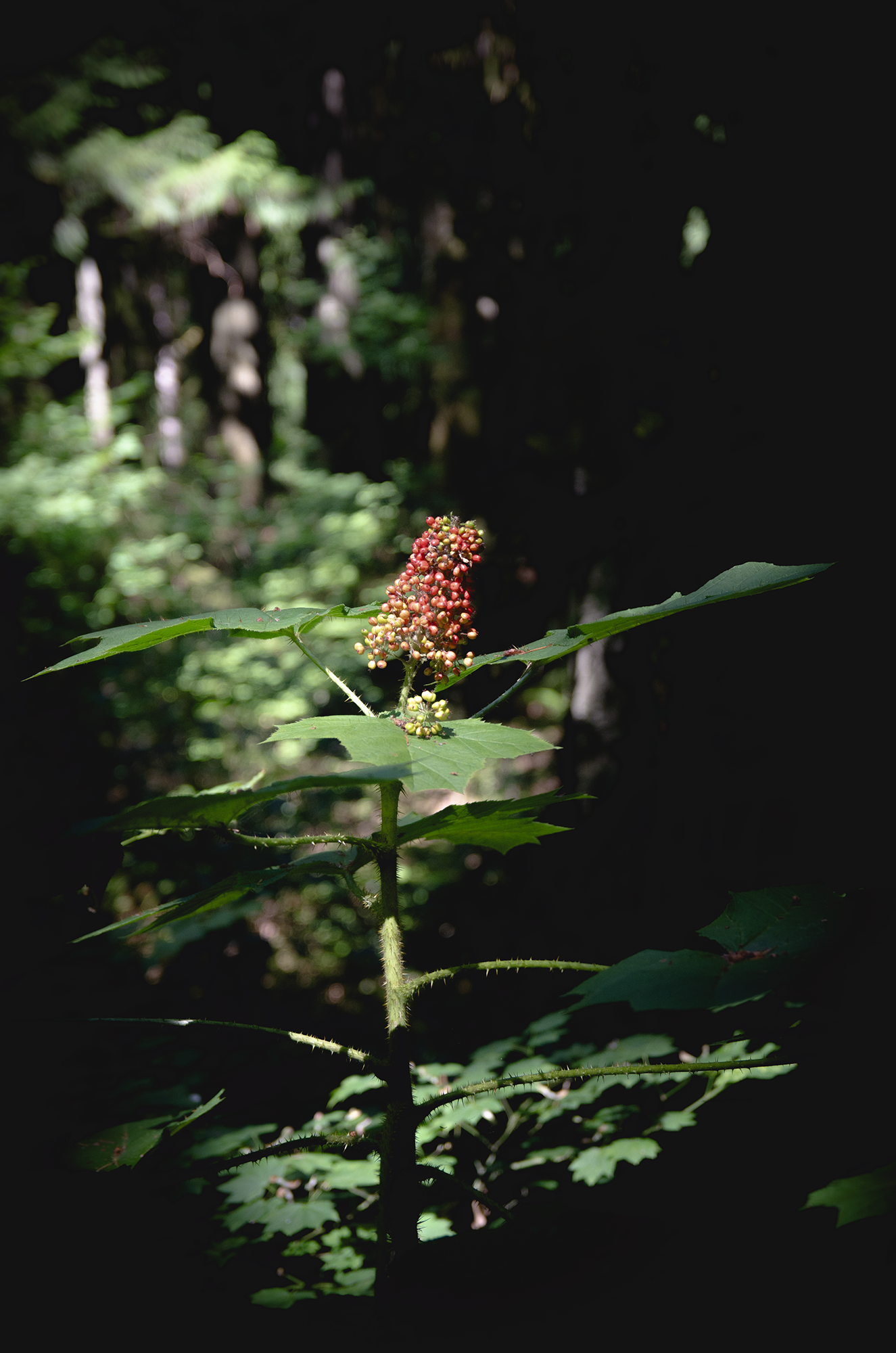
My personal practice with Devil’s club has been mainly as a spiritual ally, though I’ve worked with devil’s club in several manners. I have a few patches that I visit seasonally and do plant sits (plant meditations) with. I collect devil’s club as needed, which is only a small amount every couple years. I have worked with devil’s club in three ways - as medicine, as a spiritual protector, and as an aromatic plant for bartending use. The smell is earthy, intoxicating, and very recognizable when walking in the murky cascadian woods.
In my medicine, I use devil’s club in my grief relief blend in a symbolic portion. It is in the background as a carrier and works synergistically with the other plants in the blend. In this way, devil’s club acts as a guide through emotional grief and turmoil. It acts as a protector while being in a vulnerable state. When I collect devil’s club, I will strip the spikes from the rod and use the inner bark for medicine. I have used this in a tincture or infused in an oil for later use as a salve. The tincture can be used as a mother tincture that can be later used in other tincture blends if devil’s club is asked for. I save the top of the rod as an amulet. I have one on the dashboard of my car and have placed them in various areas in my home.
People who are interested in working with devil’s club may need to take their time with the plant before foraging. Maybe even take year of sitting with the plant or observing the plant before collecting it for use. This sign of respect is appropriate given the slow growing nature of the plant. Because of this, never harvest anything you will not use. Harvest with care. As with any plant, try to understand it before immediately harvesting. You will learn much more this way.
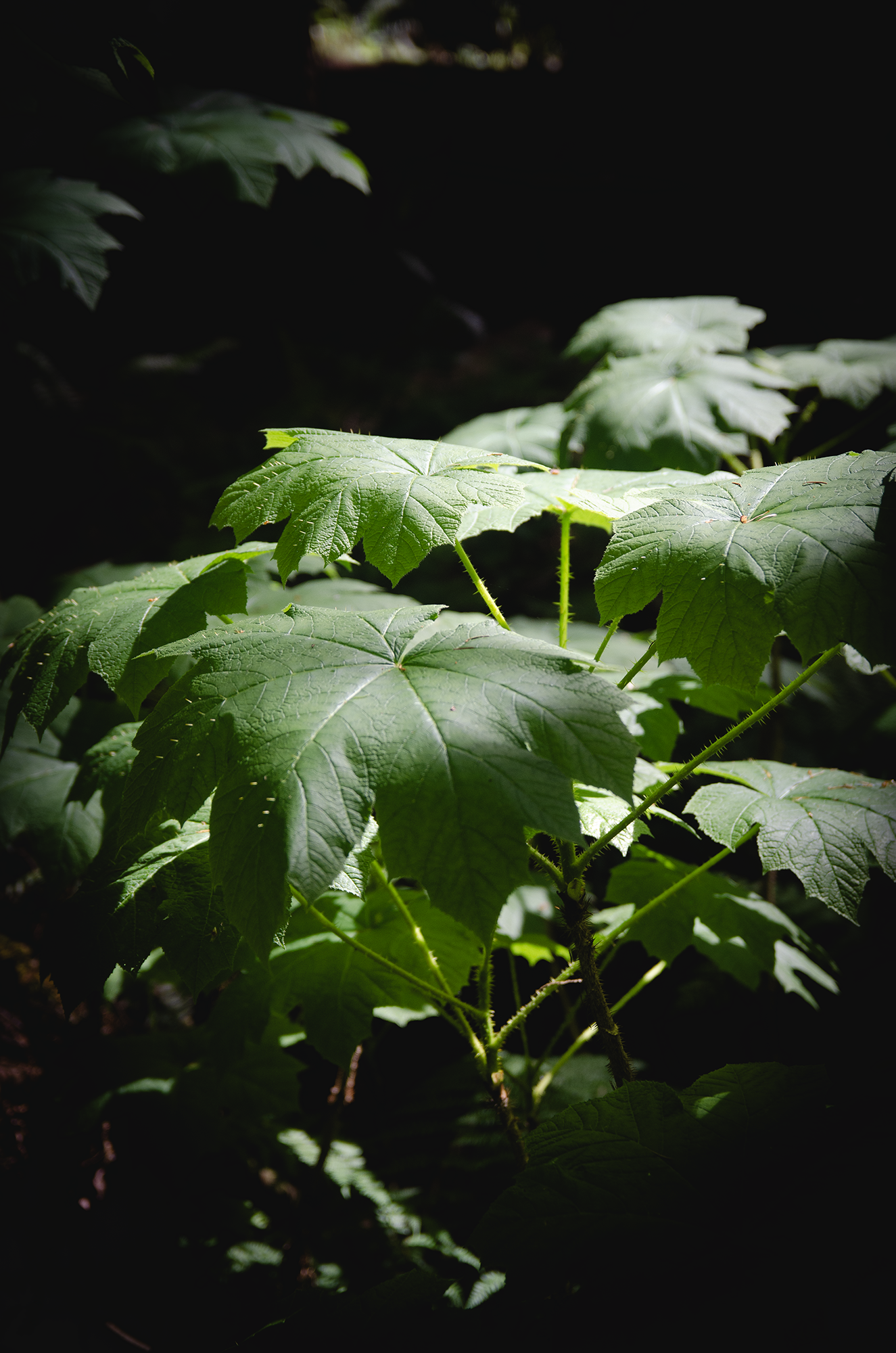
Harvesting Devil’s Club
Harvest devil’s club during Scorpio season. This is the prime time to harvest due to the energy falling from the outer parts of the plant to the inner. The energy will be going towards the inner bark and the roots, which is what you are looking to harvest. Harvest from a vertical branch at the node with loppers or pruners. Finding one close to the soil where you can tuck it back under the earth is ideal, this will allow it the opportunity to grow back after harvest. You will likely only need one branch for personal use for the season. Shave off the spikes, I do this with the backside of my pruners. Then you can peel the inner bark off. Save the inner bark and cut it into pieces. This can then be used for a salve or for a tincture. Make sure to dry the bark first if you are infusing it in an oil. You can tincture either fresh or dried bark. Save the remainder of the branch for whichever you chose. This can be made into jewelry or a personal amulet.